Introduction: Why Latex Matters in Sleep
Latex mattresses have long been celebrated for their buoyant support, resilient response, and natural origins. When you choose an organic or natural latex mattress, you are aligning with a product category that emphasizes plant-derived materials, responsible sourcing, and a lighter environmental footprint. The distinction between organic and natural latex can seem subtle on the surface, but it matters in terms of certification, farming practices, and overall resilience.
In this guide, we explore what sets organic latex apart from conventional foam, how Dunlop and Talalay processing influence feel, and what to look for in certifications that verify ethical sourcing and manufacturing standards. The aim is to equip readers with a clear framework for evaluating options without feeling pressured by marketing language or inflated price tags.
Throws of Certification: Reading Labels with Confidence
Certifications act as trust signals in the mattress world. The three key labels you’ll encounter in latex-focused products are GOLS (Global Organic Latex Standard), GOTS (Global Organic Textile Standard), and OEKO-TEX. Each serves a distinct purpose:
- GOLS verifies that the latex is organically produced, with traceable supply chains from farm to foam. It covers the latex itself and requires a certain percentage of organic content.
- GOTS governs textiles used in the product, including the cover and any fabric layers. It ensures organic fiber content, proper processing, and ecological textile practices.
- OEKO-TEX provides broader textile testing for harmful substances, giving assurance about the absence of certain chemicals in fabrics that touch your skin.
Beyond these labels, some brands disclose farm-to-factory narratives and third-party testing results. When you see such disclosures, it’s a good sign that a company is committed to transparency rather than marketing gloss.
Materials: Dunlop vs. Talalay, and the Allure of Natural Content
Latex foams come in several processing styles and with different core compositions. The two most common forms are Dunlop and Talalay, each offering distinct feel characteristics:
- Dunlop latex is typically denser and heavier, offering robust support with a firmer, more substantial response. It’s renowned for durability and a solid feel that can appeal to those who prioritize spine alignment and long-term shape retention.
- Talalay latex is lighter and more uniform, delivering a softer, more buoyant feel. It tends to contour more readily to the body and can be excellent for pressure relief when layered properly.
In organic and natural latex mattresses, you’ll often see a combination of these forms or layered configurations that let you tailor firmness and contour. Beyond feel, consider the filler and surrounding materials: organic cotton or wool covers, and natural dunlop or talalay cores, all contributing to breathability, moisture management, and overall comfort.
What to Evaluate When Shopping: Feel, Longevity, and Price Tradeoffs
Choosing a latex mattress is as much about feel as it is about ethics and durability. Here are practical steps to compare options without drowning in data:
- Feel and firmness: Decide whether you prefer a denser, more supportive feel or a lighter, buoyant response. Layering configurations can change the feel dramatically; look for a model that allows customization or adjustable toppers if available.
- Core material and layering: Note whether the core is pure latex or includes blends. Some mattresses incorporate a combination of Dunlop and Talalay latex for a balanced feel.
- Certifications and sourcing: Prioritize brands that disclose GOLS and GOTS certifications, plus independent lab testing results. Assess the transparency of supply chains and the presence of third-party verification.
- Comfort preferences by sleep position: Side sleepers often benefit from pressure relief in the shoulders and hips, while back and stomach sleepers may seek more support in the midsection. A layered construction can accommodate these needs.
- Durability and warranty: Latex is known for durability, but a good warranty is essential for long-term confidence. Review terms for indentation, sagging, and material integrity.
In this landscape, a curated approach beats a scattergun comparison. Seek brands that present a narrative of sustainability, ethical practices, and evidence-based testing rather than busy headlines or aggressive discounts.
Brand Examples in Organic Latex: Reading the Landscape
When you explore organic and natural latex mattresses, a few brands tend to appear consistently in thoughtful, science-forward discussions. Consider brands that foreground certifications, offer detailed component breakdowns, and publish mattress-in-a-box or mattress-building information with clarity. While this guide remains non-commercial and non-promotional, readers often find value in examining how brands communicate: what is marketed, what is measured, and what is replicated across multiple models.
Case Study: The York Mattress Pad as a Companion to Latex Comfort
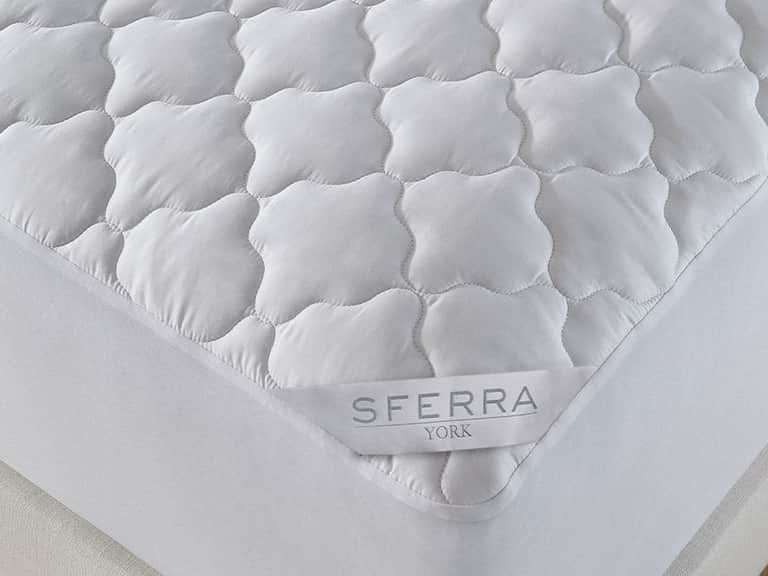
To illustrate how layers interact with latex comfort, consider a relevant product from a separate yet aligned category: the York Mattress Pad. While not latex itself, a premium cotton mattress pad with a 300TC cotton sateen shell can influence the surface feel, loft, and moisture management atop a latex core. For example, a high-quality pad like York may contribute subtle cushioning, enhancing pressure distribution and surface smoothness without masking the latex’s natural spring. In practice, many sleepers pair a latex mattress with a breathable cotton cover or pad to manage temperature and keep the surface clean and hygienic.
York Mattress Pad is described as: "Filled with 100% premium cotton, this luxury down-alternative mattress pad offers extraordinary loft and well-balanced comfort. It features a 300TC cotton sateen shell to provide a smooth, durable sleeping surface." This type of accessory can complement latex by adding a tailored top-layer feel and improved airflow, particularly for those who sleep hot or want a more plush surface without sacrificing core support.
For readers who want to visualize how such an accessory interacts with organic latex, picture a layered mattress: latex core, a breathable organic cover, and a loft-rich pad on top. Each layer addresses different aspects of sleep—support, temperature regulation, and surface feel—creating a balanced overall experience. While the York Pad is not a latex product, its design philosophy—breathable materials, premium cotton, and thoughtful loft—aligns with the ethos of sustainable, comfortable sleep.
Product visuals and availability: Images are provided for display purposes. If you’re shopping, view product details from the York Mattress Pad listing to understand its construction and care.
Myth-Busting and FAQ for Organic Latex
Even within non-commercial guides, myths persist. Here are a few quick clarifications:
- Myth: Organic latex is always more expensive than non-organic latex.
- Reality: Pricing is influenced by certification scope, blend ratios, and the overall construction. Some organic latex options offer competitive value when compared with conventional foams due to durability and long-term comfort.
- Myth: All latex mattresses sleep the same.
- Reality: Feel varies with Dunlop vs. Talalay, layer configurations, and cover materials. Personal preference for contour, bounce, and pressure relief shapes the final experience.
- Myth: Certifications are optional niceties.
- Reality: Certifications like GOLS and GOTS help verify organic content and ethical practices, offering a more transparent baseline for consumer trust.
Readers should approach certifications as a baseline, then consider the brand’s transparency about supply chains, independently verified testing results, and the overall product description. The goal is to empower informed, independent decisions rather than following a single marketing claim.