Mattress Education
How to Compare the Vispring Herald Superb with Other Innerspring Mattresses
A mattress comparison is most useful when it gets past the label on the showroom card. Spring design, comfort layers, firmness, and the policies behind a purchase all shape what a bed feels like night after night. Here’s a practical way to assess the Vispring Herald Superb alongside other innerspring mattresses—without assuming that one construction style or brand name tells the whole story.
Start with the mattress you actually need
Shopping for a mattress can feel like learning a new language at exactly the moment you want a simple answer. Pocket springs, upholstery layers, zoning, tension choices, and trial terms all enter the conversation. The good news is that you do not need to become an engineer to compare beds thoughtfully. You do need a consistent set of questions, and a clear sense of what matters to your own sleep.
The Vispring Herald Superb is one model to research within the broader innerspring category. Other mattresses described as spring, pocket-sprung, or hybrid may share some features while differing substantially in their materials and feel. Rather than treating “innerspring” as a promise of a particular comfort level, look at the exact construction and current specifications of each model.
That distinction matters because two mattresses can both contain springs and still feel entirely different. One may have a more responsive surface, another may feel cushioned or slow to respond, and a third may combine coils with foam. The comparison that serves you best is not a contest between reputations. It is a close look at how each option matches your body, habits, bedroom setup, and expectations.
What “innerspring” does—and doesn’t—tell you
Innerspring describes a mattress with a spring system as a significant part of its support structure. It does not, by itself, explain the spring layout, the upholstery above it, the firmness, or how the bed will feel to a particular sleeper. A familiar category name is a starting point for questions, not a complete specification.
Some mattresses use individual pocket springs, which are encased separately. Others may use a different spring arrangement. A hybrid typically combines coils with substantial foam or other comfort materials, although the exact balance varies by product. These terms can be helpful, but manufacturers and retailers may use them differently. Read the model’s own materials and construction description instead of relying on a category heading alone.
When comparing the Herald Superb with another innerspring mattress, try to find specific answers to these questions:
- What kind of spring system does the model use?
- How are springs arranged, and does the maker describe any support zones?
- What materials sit above and around the springs?
- Are those comfort layers fixed, removable, or available in different configurations?
- What firmness or tension choices can you select, and how does the seller define them?
- What are the mattress height, size options, and base requirements?
If a product page does not answer these points, ask the retailer for the current specification sheet. A confident description such as “supportive” or “luxurious” may sound appealing, but it cannot tell you how the bed is built or whether it suits your preferences.
Compare the spring system, not just the spring count
Spring counts are tempting because they appear to offer an easy, numerical way to rank mattresses. In practice, a larger number does not automatically mean a better bed. Counts may refer to different mattress sizes, layers, or components, and the number alone does not describe the gauge, arrangement, or behavior of the springs. Even when two figures look comparable, they may not be measuring the same thing.
For a meaningful comparison, focus on what the spring system is intended to do and how it works with the rest of the mattress. Ask whether the design is meant to provide a more responsive feel, more localized movement, or support across particular areas. Then consider whether that description lines up with your experience when you lie down.
Motion is another useful point to check. If you share a bed, notice whether movement on one side is likely to disturb the other person. Do not assume every spring mattress behaves alike: the upholstery layers and construction can influence the overall feel. Where possible, test the mattress with a sleep partner, or find out whether a trial policy allows you to assess it at home.
Edge support can also affect day-to-day use. A stable edge may matter if you sit on the side of the bed to dress or use the full mattress surface. Ask how the edge is reinforced and, in person, sit and lie near it. The words “strong edge” are less helpful than your own observation of whether the mattress feels secure.
Look closely at upholstery and comfort layers
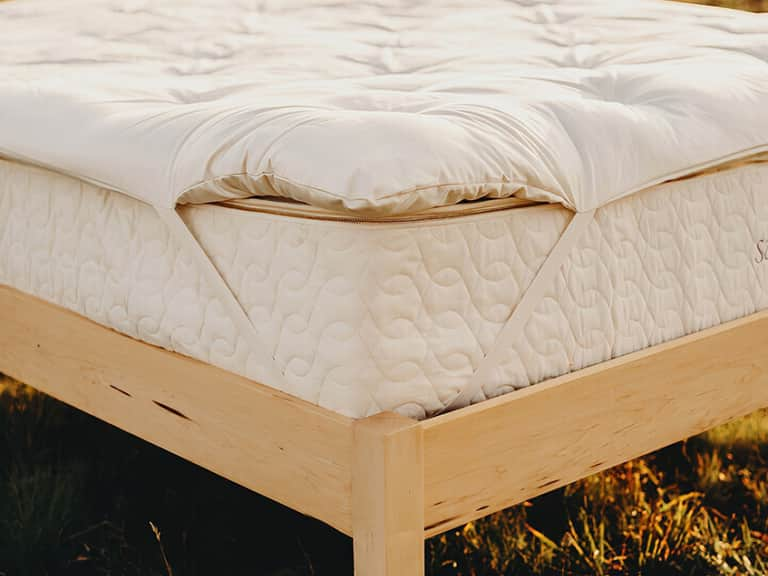
The spring unit is only part of the story. The materials above it influence the first impression when you lie down and the way the surface settles around your shoulders, hips, and other pressure points. Mattress upholstery can include different fibers and foams, sometimes in multiple layers. The exact materials matter more than broad claims about comfort or quality.
When you compare the Vispring Herald Superb with other innerspring mattresses, record the listed materials in plain language. Look for the specific layer types and, when provided, their placement and thickness. If a description names natural fibers, ask how those materials are used in the construction. A material’s presence does not, on its own, establish that a mattress will feel cool, supportive, or suitable for someone with a particular sensitivity.
Surface feel is personal. Some sleepers like a buoyant, easy-to-move-on surface; others prefer a more enveloping cushion. Neither preference is a universal standard. Try to describe what you feel in concrete terms: Is it easy to change position? Does the surface cradle you or keep you more on top of the bed? Do you notice pressure at the shoulder or hip? These observations are more useful than trying to match a mattress to a vague promise of “hotel comfort.”
If you are considering a topper to adjust the feel, treat it as a separate decision. A topper can change the surface, but it does not replace careful consideration of the mattress’s underlying support. It may also affect fitted-sheet depth and how the mattress feels overall. Before buying one, check whether the mattress itself already meets your needs and review care and compatibility guidance.
Firmness is a preference, not a universal measurement
Firmness labels such as soft, medium, or firm can make comparison easier, but they are not perfectly standardized across brands. A mattress described as medium by one seller might feel different from another company’s medium option. Body weight, shape, preferred sleep position, and sensitivity to pressure can all influence how the same bed feels to different people.
For the Herald Superb and any alternative, confirm what firmness or tension choices are currently offered. Ask how the retailer defines those choices and whether the terminology applies consistently across sizes or configurations. If a mattress is available in more than one tension, verify that you are comparing the appropriate versions—not one model’s softer specification against another’s firmest option.
Think about how you usually sleep, but stay open to what your body tells you. Side sleepers often pay close attention to pressure around the shoulders and hips. Back sleepers may focus on a balanced sense of support and comfort. Stomach sleepers may be particularly sensitive to a mattress that lets the middle of the body sink too far. These are useful considerations, not fixed rules: individual comfort varies.
In a showroom, spend enough time in your usual position to notice the surface rather than making a decision after a quick sit. If you share the mattress, both people should test it. A short visit still cannot fully predict weeks of use, which is why the written trial and return terms should be part of the comparison from the beginning.
Consider a hybrid as a useful point of comparison
Not every spring-containing mattress is a traditional innerspring model. Hybrids combine coils with foam or other comfort materials, creating another construction style to consider. A hybrid can be a helpful comparison if you want to understand how a different balance of cushioning and spring response feels. It should not be treated as an automatic upgrade or downgrade; the details and your comfort preferences still decide whether it is a fit.
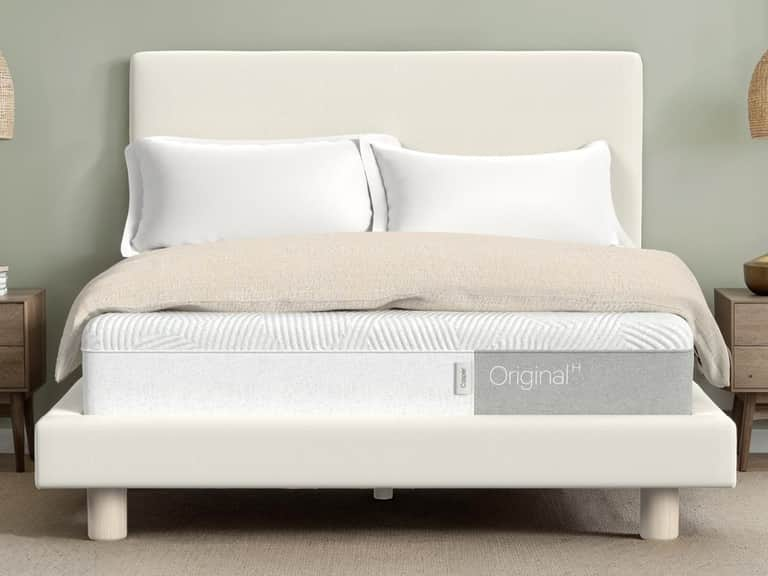
For example, the Casper Original Hybrid Mattress is described as combining Casper Signature Foam with springs and three ergonomic support zones. That makes it a relevant contrast when thinking about a coil mattress with an explicitly foam-and-spring design. Its stated construction is not a substitute for checking the Herald Superb’s current specifications, nor does the category label alone predict which will feel better to you.
As you compare them, ask what each comfort layer contributes, how the two mattresses respond when you move, and whether either feels too soft, too firm, or too difficult to turn on. Be alert to differences in available sizes, mattress height, setup, and care. A fair comparison holds as many factors constant as possible and treats each model as its own product—not as a stand-in for every bed made by its brand.
Make your sleep habits part of the comparison
A mattress is used in a bedroom, not in a product description. Your ordinary routine can reveal practical differences that a showroom label will not. Consider whether you sleep alone or with someone else, whether you tend to overheat, how often you change positions, and whether you need the bed to work with a specific frame or base.
For couples, talk through the trade-offs before choosing. One person may prioritize a plush surface while the other wants a firmer feel. Differences in motion sensitivity, body size, and sleep schedules can shape the decision. A mattress that feels acceptable to both during a brief test may still need an at-home trial to establish whether it works over time.
Temperature comfort deserves a realistic conversation, too. Mattress materials and bedroom conditions can both affect how warm a bed feels, but no single material guarantees that every sleeper will stay cool. Check the construction and think about your bedding, room temperature, and personal preferences together. A mattress is only one part of the sleep environment.
Finally, make sure the mattress dimensions suit the room and the bed base. Compare actual measurements, not just size names, and confirm that the frame provides the support required by the manufacturer. A mattress that feels promising but is incompatible with the existing setup may create avoidable problems after delivery.
Read the policies as carefully as the product page
Comfort is difficult to predict from specifications alone. That makes the terms surrounding a purchase a practical part of mattress comparison, not paperwork to leave until the last minute. Check whether a trial is available, when it begins, how long it lasts, and what conditions apply if you want to return or exchange the mattress.
Ask about delivery, old-mattress removal, setup, and any charges that may apply. Confirm whether the mattress needs time to settle after delivery and what steps the retailer recommends during that period. Review the warranty in full: find out what it covers, how to make a claim, and what requirements apply to the bed base or ongoing care.
Care instructions deserve attention, especially if you value a particular material or construction. Confirm whether the mattress can be rotated, whether it should be turned, and what kinds of protectors are recommended. Do not assume the same routine applies to every model. Following the manufacturer’s instructions can help you maintain the product, while ignoring them could complicate a warranty claim.
Write down the answers and compare them side by side. Clear terms can distinguish a confident purchase from an expensive surprise. If a policy is vague, request clarification in writing before committing.
A simple, consistent comparison checklist
When details start to blur together, use the same checklist for the Herald Superb and every alternative. The goal is not to award points to whichever mattress has the longest specification sheet. It is to make sure each important question receives a clear answer.
- Construction: Identify the spring type, layout, and any described zones.
- Comfort materials: Record the upholstery and comfort layers, including their stated materials.
- Feel: Note firmness options and how the mattress feels in your usual sleep position.
- Movement: Test how easily you change position and whether partner movement is noticeable.
- Fit: Check dimensions, height, available sizes, and compatibility with your base.
- Care: Confirm rotation or turning guidance, protector recommendations, and cleaning instructions.
- Purchase terms: Compare trial, return, delivery, setup, and warranty details.
- Evidence: Use current model-specific information rather than assumptions about an entire brand or category.
You can add a short note beside each item: “confirmed,” “unclear,” or “needs testing.” That small step helps separate facts from impressions. It also makes it easier to go back to a retailer with focused questions instead of asking for a general recommendation.
Common comparison mistakes to avoid
One frequent mistake is relying on brand prestige as a shortcut. A well-known name can be a reason to investigate a model, but it cannot tell you whether its firmness, surface feel, or policies suit your circumstances. Compare the specific mattresses in front of you.
Another is treating price as a stand-in for comfort or durability. Price may reflect materials, construction, service, or other factors, but it is not a personal fit test. Decide what you value, then check whether the product details and purchase terms support that value.
It is also easy to compare mismatched versions. If one mattress has a particular firmness, size, or comfort configuration, make sure you are assessing the same setup when looking at another. Model names and descriptions can change, so verify current information close to the time of purchase.
Finally, do not let a quick showroom impression carry the entire decision. Testing in person is useful, but it is only one source of information. Combine it with the specification sheet, careful questions, and a clear understanding of the retailer’s trial and return conditions.
The bottom line: compare the experience you want
Comparing the Vispring Herald Superb with other innerspring mattresses is less about choosing a winner in the abstract and more about finding a construction and feel that make sense for your sleep. Start with the spring system, then examine the upholstery, firmness choices, support description, and practical requirements. Add your own sleep habits and the retailer’s policies to the picture.
Above all, verify current model information. Mattress specifications, options, and terms can vary, and category-wide assumptions are rarely precise enough for a purchase decision. A clear, side-by-side comparison lets you weigh what is known, identify what still needs testing, and ask better questions.
The right mattress is not necessarily the one with the most impressive language or the longest list of features. It is the one that feels comfortable to you, suits your setup, and comes with terms you understand. Take your time, trust specific evidence over sweeping claims, and make the decision with your own everyday comfort in mind.